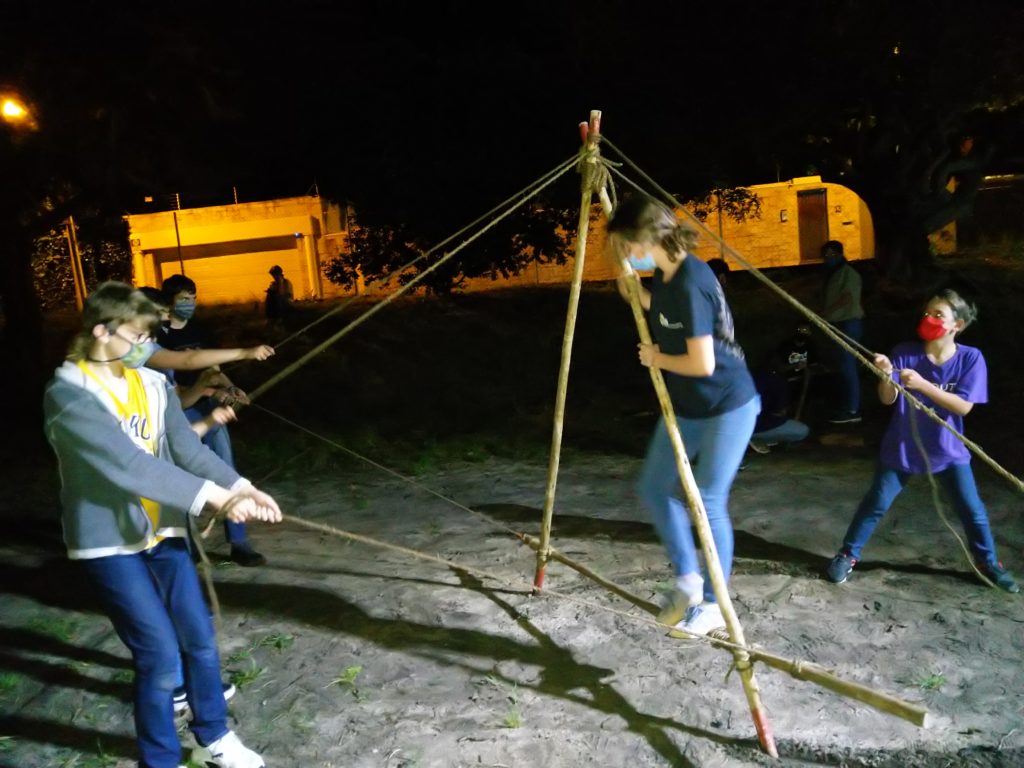
The value of scouting for our youth is not in direct experience and the memories it creates but in the life skills that those experiences impart – the benefits of which are only fully realised years later. Without an indepth understanding of how this works, it is easy to deride scouts as a anachronistic organisation – teaching outdated skills with little or know application in the modern world. Some scout organisations have gone this path – they have ditched traditional scout activities and made themselves “relevant”. They teach skills such as software coding and no longer teach the skills in which we lay such store, such as knotting. Is it the right path? Only time will tell.
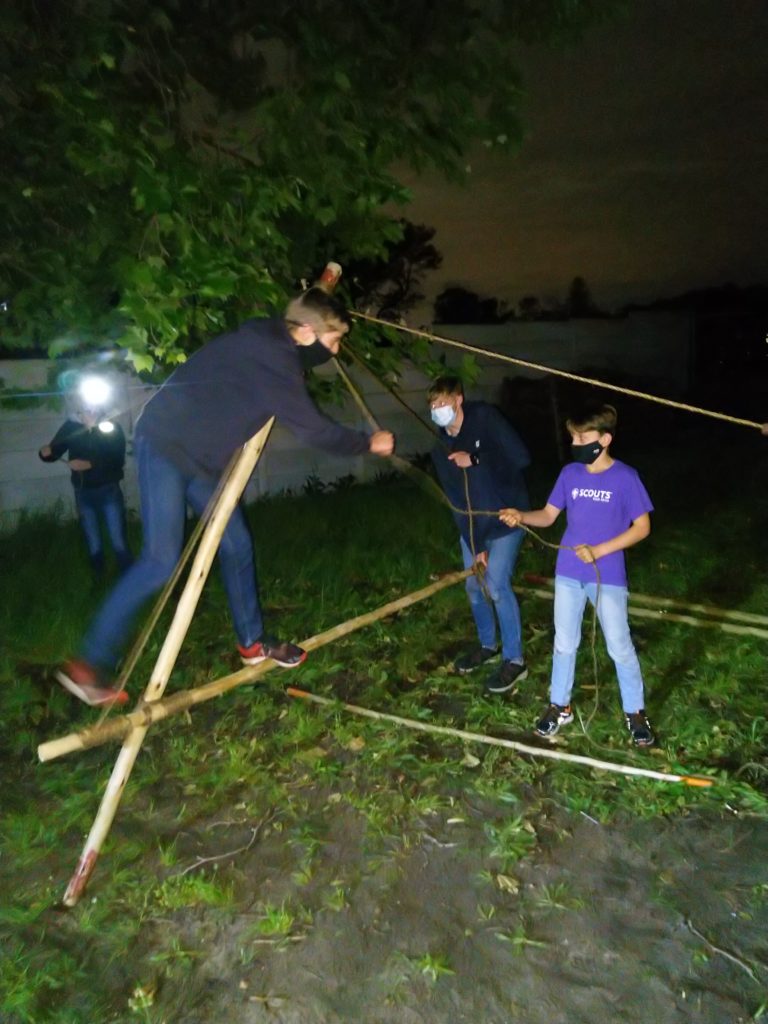
Scouts SA is still quite a conservative organisation and change is slow. While this has frustrations and negative consequences all of its own, it also can be beneficial. While we have thankfully largely moved on from the “we have always done it this way” mantra, still we retain, in large part, many of our traditional activities. Pioneering, First Aid, Survival and other traditional skills are combined with more modern concerns – conservation, stemming the tide of plastic, and sustainable development goals.
In all these matters, we should not lose sight of one of the real reasons for these activities, traditional or not. It is not to teach scouts a skill that will make them more employable. It is to give them life skills that will last a life time – leadership, responsibility, teamwork, collaboration and the other associated skills which are so difficult to acquire. It is, in short, to make them better citizens. These skills will, as a by product, make them more employable but they will also help them in every facet of life – school, university, work, volunteering, family and life in general. It is important, in all we do, that we do not lose sight of this. To lose sight of this aim, and critically the methods by which we reach this aim, would mean that scouts would become just another youth organisation, one of many, struggling for survival in a sea of sameness.